
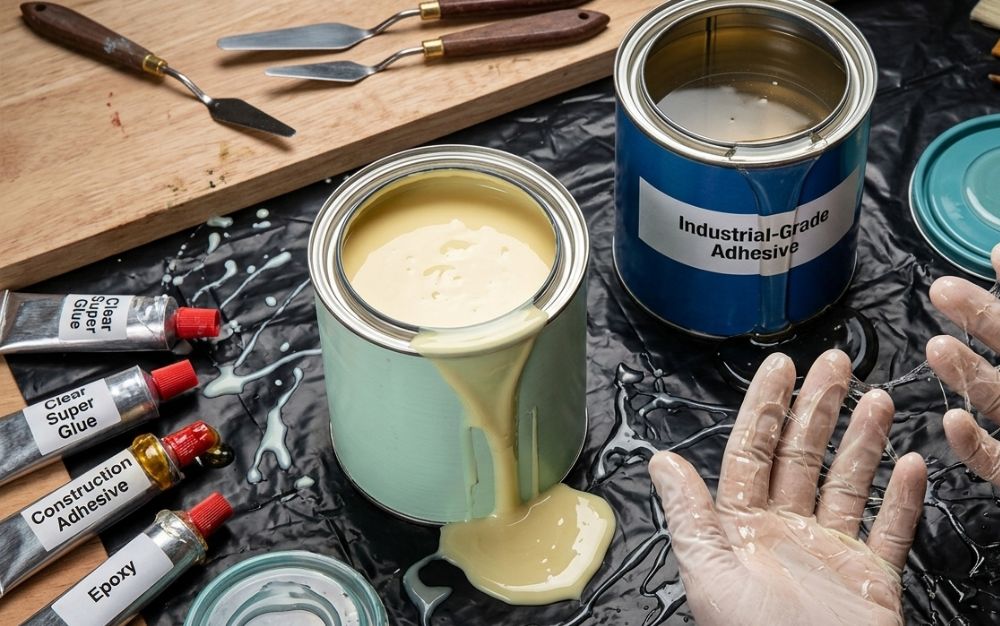
If your production line still relies on conventional solvent-based adhesives, you are carrying a risk you may not fully see.
Harmful volatile organic compounds (VOCs) accumulate in enclosed factory spaces, expose workers to respiratory hazards, and put your business on the wrong side of tightening environmental regulations.
The good news: switching to a low VOC contact adhesive solves these problems without sacrificing bond strength or process efficiency.
In this guide, you will learn what low VOC contact adhesive is, the concrete manufacturing benefits it delivers, and how to choose the right formulation for your application.
What is Low VOC Contact Adhesive?
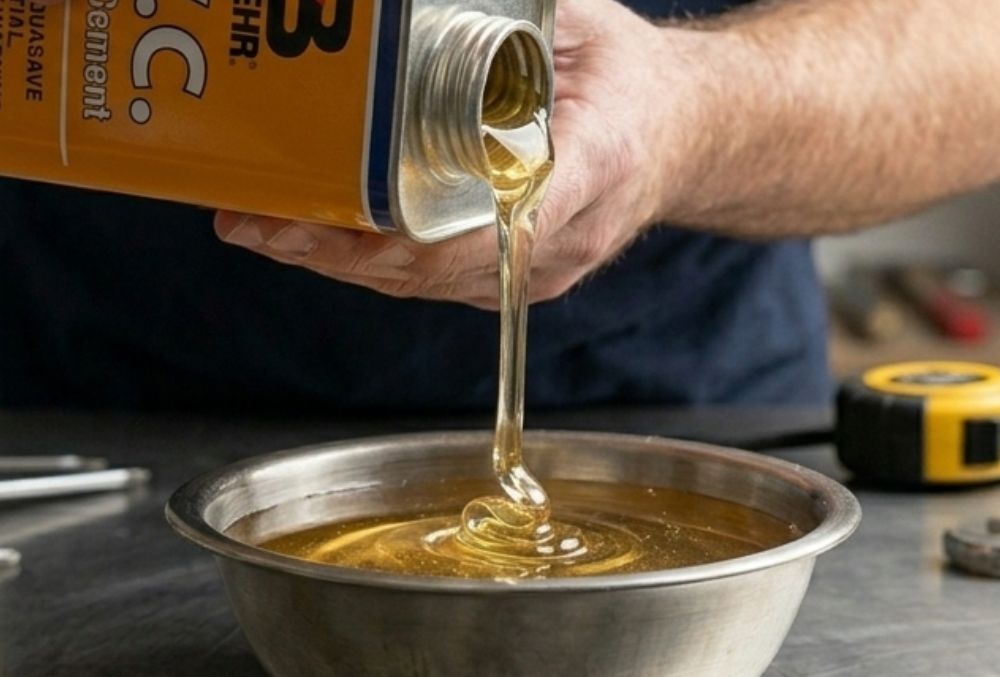
Low VOC contact adhesive is a bonding agent made to release fewer fumes during application and curing compared to conventional solvent based adhesives.
Instead of relying heavily on solvents like toluene, xylene, and MEK, low VOC formulas use water based chemistry, high solids technology, or lower emission solvent blends.
It still bonds well on laminates, foam, rubber, leather, metal, and wood, while helping Malaysian manufacturers reduce workplace fumes and support Department of Environment (DOE) aligned environmental practices.
Speak to Affluent Cycle Industries to find a low VOC adhesive solution that fits your materials, application method, and production requirements.
3 Low VOC Contact Adhesive Benefits Every Manufacturer Should Know

A lower emission adhesive choice can improve daily production conditions while helping manufacturers meet stricter buyer and safety expectations.
1. Healthier Workplaces, Lower Liability
Low VOC contact adhesive gives off fewer fumes during bonding work. This helps reduce worker exposure on the production floor, especially in enclosed areas or high volume lines where adhesives are used daily.
2. Better Compliance Readiness
Low VOC formulations help manufacturers meet stricter DOE expectations and export customer requirements through toll and contract manufacturing in Malaysia. For furniture, automotive interiors, footwear, and packaging, MSDS and VOC declarations can also support faster vendor approval.
3. Safer Handling and Storage
Lower solvent content can reduce fire risk during storage, handling, and application. It also helps teams manage chemical safety more easily, with fewer disruptions caused by high risk materials.
For businesses planning cleaner, safer, and export ready production, low VOC contact adhesive is a practical step forward.
5 Things to Check First: How to Choose Low VOC Adhesive
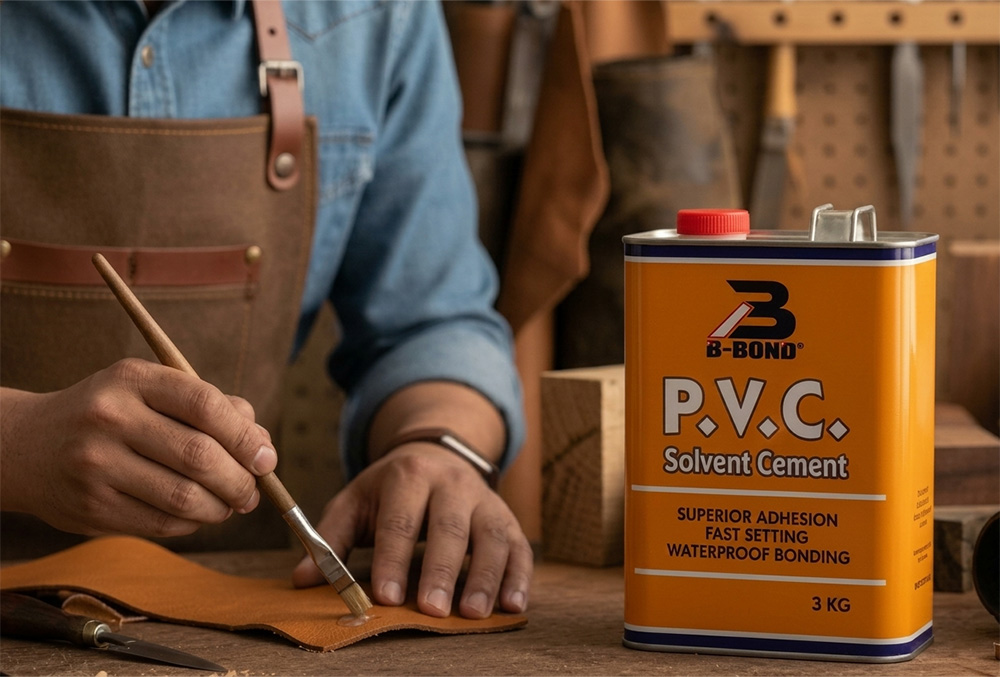
A low VOC label alone does not guarantee the adhesive will suit your materials, production speed, or compliance needs. Before choosing a supplier, check these five factors to avoid weak bonding, rework, and costly production issues.
Factor 1: Substrate Compatibility
Check how the adhesive performs on the exact materials you use. Foam, fabric, MDF, laminate, rubber, and metal do not bond the same way, so ask for a TDS and trial sample before larger production.
Factor 2: Open Time and Press Time
Match the adhesive timing to your line speed. Some low VOC adhesives give a longer working window, while others need faster tack for high volume output.
Factor 3: Heat and Humidity Resistance
Malaysian manufacturing environments are hot and humid. Verify the adhesive’s performance data at temperatures above 35°C and relative humidity above 80%. A formulation that performs well in a European test environment may delaminate under local ambient conditions.
Factor 4: Application Method Compatibility
Low VOC adhesives are available for spray, brush, roller, and hot-press application. Match the product viscosity and solids content to your existing equipment to avoid additional capital investment.
Factor 5: Supplier Technical Support
A local industrial adhesive supplier who can adjust formulation, provide technical troubleshooting, and offer toll manufacturing will save you more than a cheaper imported product that arrives without local support. When adhesive performance is central to your product quality, proximity and responsiveness matter.
Get in touch with Affluent Cycle Industries to explore low VOC contact adhesive, glue advisory, chemical blending, and custom formulation support.
Source Low VOC Contact Adhesive from Affluent Cycle Industries
Affluent Cycle Industries supports businesses that need safer, cleaner, and production ready adhesive solutions. Known as one of the reliable adhesive manufacturers in Selangor, the team supplies low VOC and water-based contact adhesives for furniture, footwear, automotive, construction, and general industrial use.
We also provide technical support through glue advisory for adhesive project consultation, custom production through chemical blending, project based construction adhesive solutions, and private label development through adhesive OEM.
Share your substrate, application method, bonding requirements, and production volume with Affluent Cycle Industries to find a low VOC contact adhesive that fits your process.
Contact Affluent Cycle Industries today to discuss your low VOC contact adhesive needs and get technical guidance for your next adhesive project.
Frequently Asked Questions (FAQs)
Yes. Many low VOC contact adhesives deliver strong bonding performance for furniture, footwear, automotive, foam, and general manufacturing applications.
Low VOC contact adhesive is widely used in furniture, mattress, automotive interior, footwear, packaging, and construction related manufacturing.
Check VOC level, bonding strength, material compatibility, drying time, and whether the supplier can provide MSDS and technical support.
Yes. Lower solvent emissions can help reduce fumes, flammability risks, and long term worker exposure during production.
Not always. Many low VOC formulations can work with existing spray or roller systems after minor adjustments and testing.
Request the VOC declaration, MSDS, and technical data sheet to verify emission levels and formulation details.