
Malaysia continues to attract strong manufacturing investment, with Malaysian Investment Development Authority (MIDA) reporting RM68.4 billion in approved manufacturing investments during the first half of 2025 alone.
Businesses producing industrial adhesives and specialty chemicals can use local toll and contract manufacturing to scale production while reducing facility, equipment, and staffing commitments.
This guide covers the key benefits, partner selection tips, and Affluent Cycle Industries support in helping businesses meet production needs.
What Is Toll and Contract Manufacturing?
Toll manufacturing is a process where a client supplies raw materials and a manufacturer processes them into finished goods using their own equipment and facilities, charging a fee for the service.
Contract manufacturing handles raw material sourcing, production, quality checks, and packaging in accordance with the formula or product brief agreed earlier.
Many businesses use these models for specialty chemicals, adhesives, coatings, and personal care products because they cut out the need to build a production setup before entering the market.
Speak to Affluent Cycle Industries today to discuss your adhesive formulation, production volume, and toll manufacturing needs.
4 Benefits of Toll Manufacturing in Malaysia
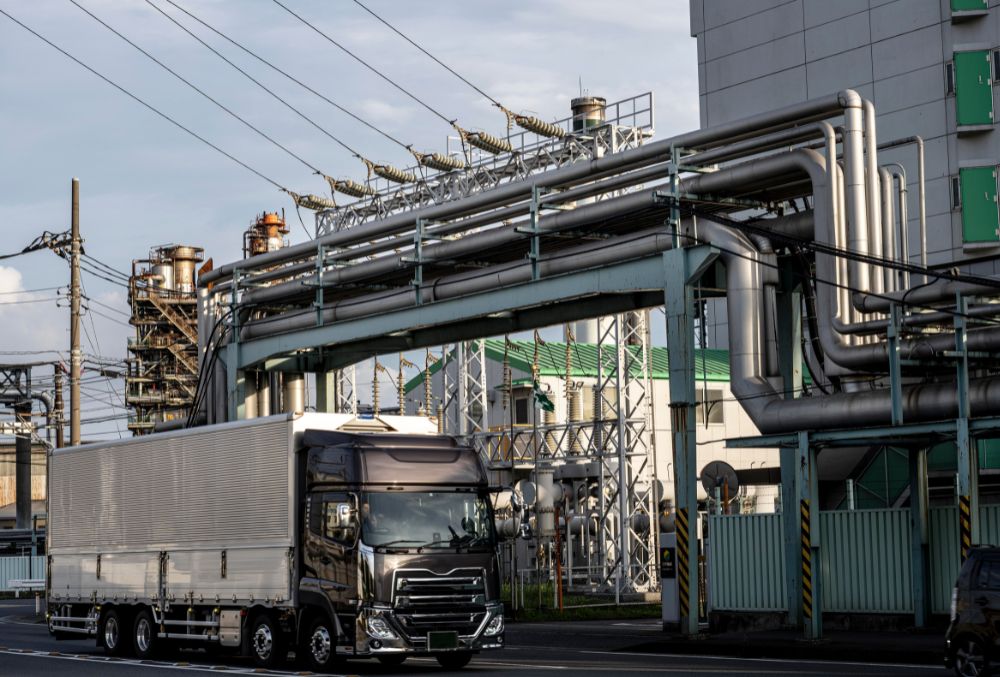
Malaysia consistently ranks among the top manufacturing destinations in the Asia-Pacific region. Here’s why businesses choose it specifically for chemical tolling and adhesive production.
1. Significant Cost Savings Compared to In-House Production
Running adhesive production in-house can get costly very quickly. The mixing line is only one part of it. You still need trained operators, testing tools, storage space, safety controls, maintenance, and proper handling for different adhesive systems.
Toll manufacturing gives businesses access to production capacity only when needed. That keeps capital free for areas that usually need it more, such as raw material planning, product testing, sales, or regional growth.
2. Strong Manufacturing Infrastructure
Selangor offers manufacturers a practical advantage, as major industrial areas such as Shah Alam, Klang, and Rawang are close to Port Klang.
That access helps when raw materials need to come in on time and finished goods need to move out quickly, especially for businesses handling repeat orders or regional distribution.
3. Access to Skilled Chemical and Production Expertise
Adhesives are sensitive to formula, mixing method, curing time, surface material, and storage conditions. A small mistake can affect bonding strength or batch consistency.
The advantage is especially valuable for adhesives that require consistency, performance testing, and practical application support.
4. Stable Regulatory Environment for Chemical Manufacturers
Chemical production must follow proper safety, environmental, and quality requirements.
In Malaysia, manufacturers operate under established bodies such as the Department of Occupational Safety and Health (DOSH) and Department of Environment (DOE), along with relevant MS ISO standards.
A structured regulatory environment gives businesses more confidence when producing adhesives for local use, regional supply, or export requirements.
Review these key adhesive project consultation questions before speaking to Affluent Cycle Industries, so you can brief your needs more clearly.
5 Industries That Benefit Most from Chemical Tolling in Malaysia
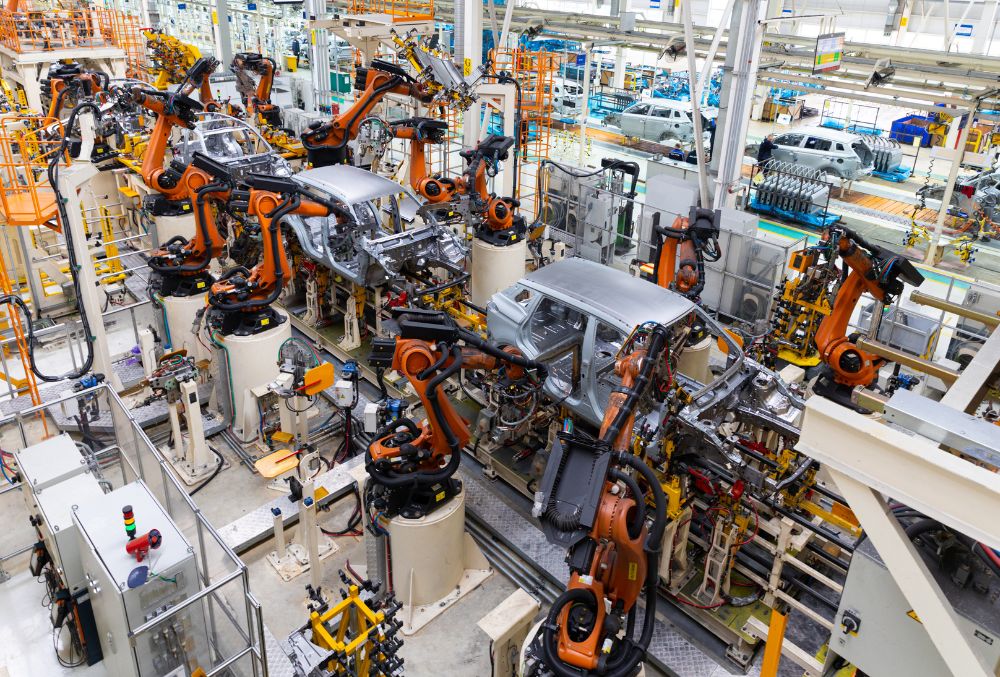
Toll manufacturing for industrial adhesives and specialty chemicals serves a broad range of sectors. The following industries regularly engage toll manufacturers in Malaysia:
| Industry | Common Application |
| Furniture and woodworking | Wood glue, lamination adhesives, edge banding |
| Construction and building materials | Tile adhesives, sealants, structural bonding |
| Packaging and converting | Carton sealing, labelling, flexible packaging laminates |
| Automotive and transport | Panel bonding, weatherstripping, vibration damping |
| Electronics manufacturing | Potting compounds, thermal interface materials |
Contact Affluent Cycle Industries today and turn your adhesive production plan into a clearer, more scalable process.
Toll Manufacturing vs Contract Manufacturing: Which Suits Your Business?
The right model depends on how much control you want over the supply chain and how involved you are in sourcing raw materials through an industrial adhesive supplier.
| Factor | Toll Manufacturing | Contract Manufacturing |
| Raw material ownership | Client supplies materials | Manufacturer handles procurement |
| Formula control | Client retains full IP | Shared or manufacturer-developed |
| Minimum investment | Low (pay-per-use) | Low to medium (setup fee possible) |
| Best for | Established formulas, scale-up | New product development, full outsourcing |
| Lead time | Shorter (materials ready) | Moderate (procurement included) |
Learn how low VOC contact adhesive benefits businesses improve workplace safety, reduce emissions, and control production costs.
Scale Adhesive Production Without Building Your Own Plant
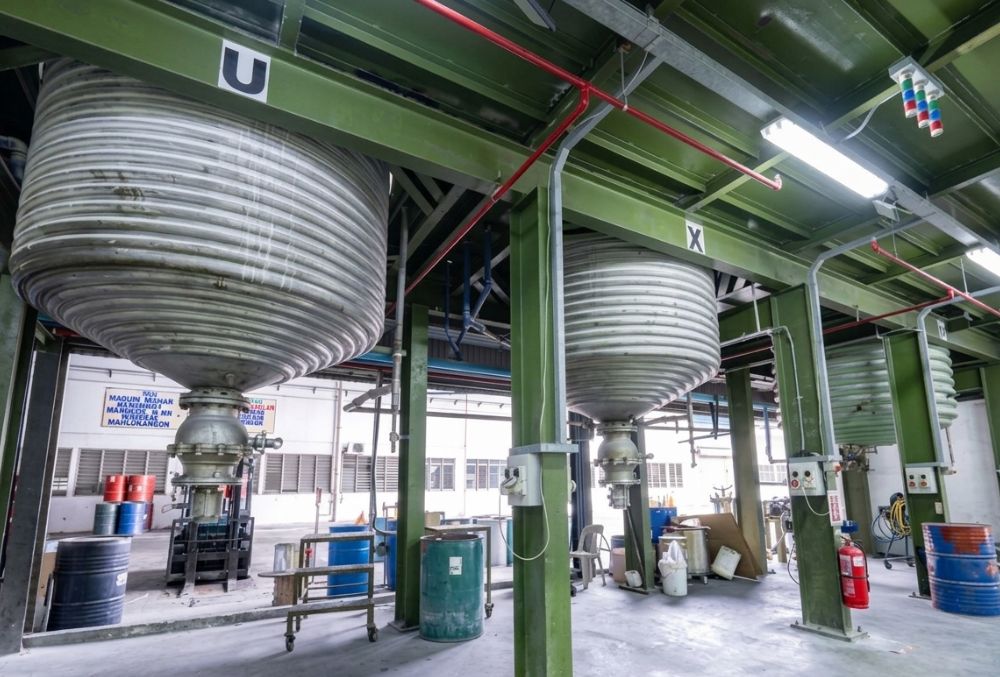
Affluent Cycle Industries helps businesses scale adhesive production without the cost of setting up their own plant, equipment, and technical team.
Based in Selangor, we provide chemical blending and toll manufacturing services built around reliable production capacity, cost control, and consistent output with its adhesive specialisation.
Clients gain access to formulation know-how, mixing experience, process optimisation, and quality control support backed by hands-on industrial adhesive production experience.
We also provide glue advisory support to refine application needs, material compatibility, and performance expectations before production.
Our toll and contract manufacturing capabilities include:
- Custom adhesive compounding and blending based on client specifications
- Batch and bulk mixing for water-based, solvent-based, and hot-melt adhesive systems
- Quality control testing across key production stages
- Flexible packaging and labelling options
- Confidentiality protocols to protect formulas and intellectual property
We can support trial batches, one-off production runs, bulk orders, and long-term manufacturing arrangements for construction adhesive or adhesive OEM projects. This includes discussing production volume, formulation needs, packaging, and supply requirements based on their goals.
Discuss Your Adhesive Production Needs with Affluent Cycle Industries
Before you move into full production, it helps to review the formula, batch size, raw materials, packaging, and output target first. Affluent Cycle Industries can walk through these details with you and suggest a practical production setup based on your adhesive project.
Share what you are producing, your expected volume, and the performance requirements. The team will guide you on the most practical manufacturing route based on your product needs.
Contact Affluent Cycle Industries today to arrange a free consultation and explore the best way to move your adhesive production forward.
Frequently Asked Questions (FAQs)
Toll manufacturing uses client-supplied raw materials, while contract manufacturing usually includes material sourcing, production, packaging, and supply support.
Yes, toll manufacturing helps SMEs access industrial production facilities without large upfront investment in equipment and factory setup.
Yes, a capable adhesive manufacturer can follow your formula or help adjust it based on the material, bonding strength, application method, and production volume.
Most professional manufacturers use NDAs and internal confidentiality controls to protect client formulas, production data, and intellectual property.
Check production capability, adhesive experience, quality control process, technical support, lead time, and confidentiality practices before committing to production.
Reliable manufacturers commonly follow ISO-aligned quality procedures, batch testing processes, and production traceability standards for consistent output.
