

Manufacturing plants across Malaysia face a dual challenge: cutting adhesive air pollution to meet tightening environmental rules while keeping the workers who apply that adhesive safe from daily solvent exposure.
Solvent-based adhesives release volatile organic compounds (VOCs) into the workshop atmosphere the moment a canister is opened, and those same compounds sit in the air production staff breathe for an entire shift.
Affluent Cycle has engineered precision bonding solutions since 2000, and this guide sets out where adhesive air pollution actually originates, what it costs a factory in compliance and health risk, and six practical changes that lower VOC emissions without weakening the bond your product line depends on.
What Are VOCs and Why Do They Matter in Adhesive Manufacturing?
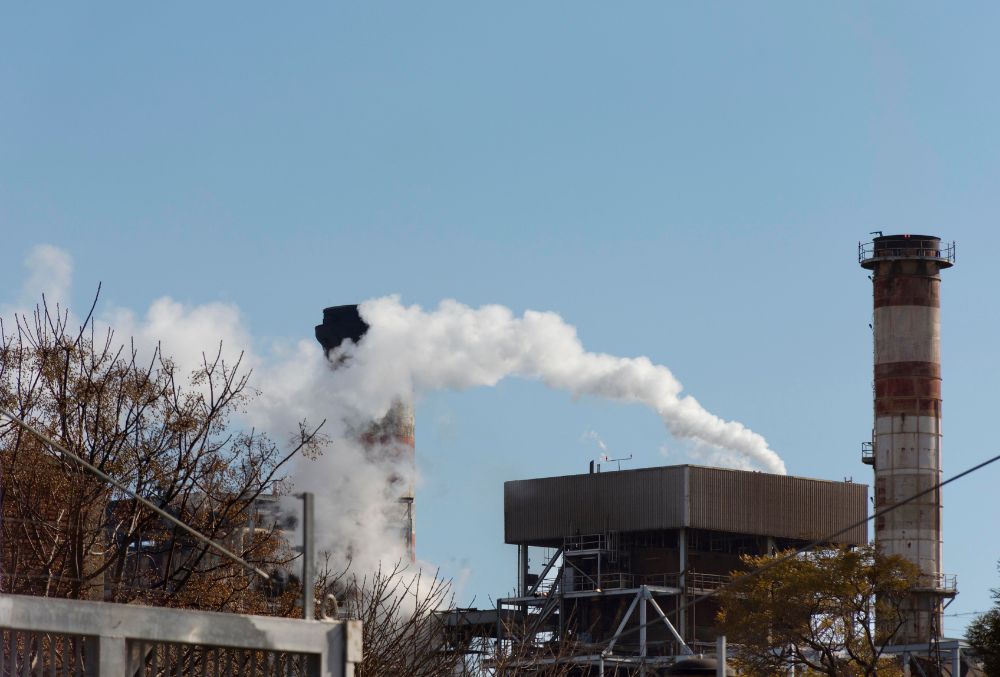
VOCs, or volatile organic compounds, are carbon based chemicals that evaporate easily at room temperature. In adhesive production and application, they often come from solvent based contact adhesives, spray adhesives, and certain reactive systems used in furniture, footwear, automotive, and construction manufacturing.
Once released, VOCs can affect both outdoor air quality and factory conditions. They contribute to smog outside the facility, while indoor exposure may cause worker discomfort, respiratory irritation, headaches, and longer term health risks.
In Malaysia, Department of Occupational Safety and Health (DOSH) and the Department of Environment (DOE) guidelines cover workplace exposure and air quality requirements.
Non-compliance can lead to fines, production disruption, and reputational risk. Export focused manufacturers may also need to meet stricter standards such as REACH in Europe.
Speak to Affluent Cycle Industries to review your current adhesive use and explore lower VOC solutions that suit your materials, production flow, and safety requirements.
The Worker Safety and Compliance Risks Behind High-VOC Adhesives
Prolonged exposure to solvent vapours is linked to headaches, dizziness, respiratory irritation, and, with repeated high-level exposure, longer-term liver and nervous system effects.
Workers stationed at manual dispensing points, where extraction is often weakest, carry the highest exposure risk in most factories.
The table below compares the three adhesive categories manufacturers typically choose between, scored against the factors that matter most for a Malaysian production line.
| Adhesive Type | Typical VOC Content | Worker Exposure Risk | Bond Performance | Best Fit |
| Solvent-based contact adhesive | 60–80% VOC | High – needs full extraction + PPE | Strong, fast-tack | Legacy lines not yet retrofitted |
| Water-based adhesive | Under 5% VOC | Low – minimal respiratory risk | Good for porous substrates, slower cure | Furniture, packaging, general assembly |
| Hot-melt / solvent-free adhesive | Near 0% VOC | Low – heat management replaces solvent risk | Very strong, instant set | High-throughput bonding lines |
6 Practical Ways to Reduce Adhesive Air Pollution in Manufacturing
Reducing adhesive air pollution often starts with small operational changes that improve air quality, lower VOC exposure, and support compliance without slowing production.
1. Switch to Low VOC Adhesives
| Adhesive Type | VOC Level | Typical Applications | Key Consideration |
| Solvent-Based | High | Footwear, automotive trim | Requires strong ventilation; higher regulatory scrutiny |
| Reactive (PU/Epoxy) | Low to Medium | Structural bonding, construction | Excellent strength; select low-isocyanate formulations |
Replacing solvent heavy adhesives is the most direct way to cut VOC emissions.
Find out more about the low VOC contact adhesive benefits that contribute to better sustainable manufacturing.
2. Improve Ventilation at Application Points
Low VOC products still need proper ventilation. Local exhaust ventilation systems should capture vapours directly where adhesives are applied, before they spread across the workspace.
Ventilation systems also need regular checks. Blocked filters, weak extraction, and damaged ductwork can reduce air quality and create compliance risks under DOSH expectations.
3. Match PPE to the Adhesive
PPE should reflect the actual adhesive and solvent being used.
Organic vapour respirator cartridges, solvent-resistant nitrile gloves, and eye protection at mixing stations are common minimums, but the final selection should always follow the product’s safety data sheet instead of a general factory policy.
4. Train Workers on Storage, Dispensing, and Spill Response
Many exposure incidents happen during pouring, transferring, or cleaning rather than controlled application.
Short, adhesive-specific training helps workers handle containers correctly, respond to spills faster, and reduce avoidable contact that warning signs alone may not prevent.
5. Monitor Exposure Levels on a Fixed Schedule
Regular air monitoring at mixing and bonding stations shows whether ventilation and handling controls are keeping VOC levels within DOSH exposure limits.
It also gives manufacturers clear records to support internal reviews, audits, and regulatory checks.
6. Choose a Supplier That Provides Full VOC and Safety Documentation
Complete technical and safety data sheets help manufacturers calculate VOC load, select suitable PPE, and respond quickly to client or regulatory requests.
Affluent Cycle provides both documents with its adhesive formulations supplied to Malaysian manufacturers.
Contact Affluent Cycle Industries to explore adhesive formulations built around your materials, application method, and VOC reduction goals.
Supporting VOC Reduction and Safer Adhesive Use with Affluent Cycle Industries
Affluent Cycle Industries works with businesses across different industries to review adhesive formulations, application methods, and production requirements based on actual operational needs.
We support lower VOC formulation options, adhesive consultation through glue advisory, and toll manufacturing services that help businesses move toward cleaner and safer production adhesive OEM processes.
The team also helps manufacturers evaluate adhesive suitability based on substrate type, production speed, ventilation setup, and workplace conditions. This gives businesses better visibility before scaling adhesive use across the production line.
Businesses managing worker safety, export requirements, or internal sustainability goals can also review adhesive alternatives before committing to large scale production.
Learn more about our solutions as businesses seek out to us as a go-to adhesive supplier in Malaysia.
Start Reducing VOC Emissions with Affluent Cycle Industries
Reducing VOC emissions in manufacturing starts with a practical review of your adhesive formulation, application method, and production environment.
Affluent Cycle Industries supports businesses that want stronger bonding performance while moving towards lower VOC, safer, and more compliant adhesive solutions. Our team can help assess your current adhesive use, review suitable formulation options, and support custom production through toll manufacturing.
Speak to Affluent Cycle Industries about adhesive solutions that fit your materials, process, and compliance needs, including adhesive waste reductions.
Frequently Asked Questions (FAQs)
Manufacturers using adhesives should comply with DOE environmental requirements and DOSH workplace exposure guidelines, especially for solvent based processes.
Many water-based adhesives today can achieve strong bonding performance for furniture, packaging, textile, and lamination applications when matched correctly to the production process.
Lower VOC formulations, controlled application methods, proper ventilation, and better storage practices are some of the most effective ways to reduce adhesive related VOC emissions.
Low VOC adhesives can still support strong bonding, stable production speed, and consistent application when the formulation suits the substrate and process conditions.
Adhesive workers commonly require gloves, eye protection, and suitable respiratory protection based on the adhesive type and exposure level stated in the SDS.
Affluent Cycle Industries helps businesses review adhesive formulations, application requirements, and lower VOC alternatives based on production, safety, and compliance needs.